

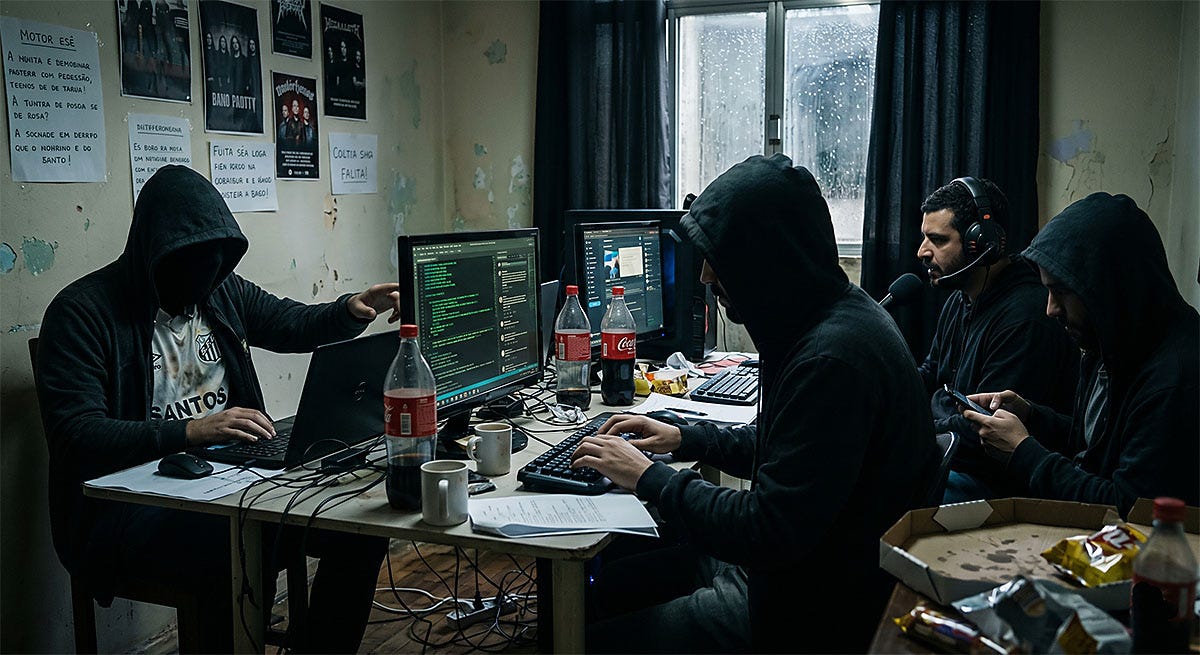
Brazil has gradually become a frontrunner in scam practices, forcing consumers and ordinary citizens to be exceptionally vigilant in their daily lives. Anything that might normally be considered part of a routine is now suspect. An email, a phone call, or even a knock at your front door should set off a red light. Many have not adapted to this reality and fall into traps that almost always result in financial loss. This is especially true for the elderly, who often struggle to keep up with rapid digital progress. These are people from an era when having a simple home phone was a luxury and when you personally visited the bank to fulfill financial obligations after waiting patiently in line. Back then, the worst that could happen was a confrontation with a “saidinha de banco.” This can still happen, but rapid evolution has changed behavior. Today, everyone uses their smartphone, encouraged by banks that are closing more and more physical branches. Those who need cash go to an ATM.
The rules for banking via a mobile phone are rightfully strict, but that does not stop thieves and scammers from making frantic attempts to rob innocent citizens. This time, it no longer happens with a weapon, but in a “soft” way by leading the victim to believe they are acting correctly. Realizing you have been robbed is no less painful. The Federal Police recently released a report that supports this changing reality with hard figures. Their research shows that the fight against crime has largely moved to the digital world. The numbers are staggering: artificial intelligence is now used in 42.5% of all cases of financial fraud. In 2024, this fraud caused total losses of R$ 52 billion, with credit card cloning and the use of fake call centers among the most common crimes.
It is a bitter paradox that digital progress in Brazil is both a blessing and a source of concern. The Brazilian population is one of the most digitized in the world. Brazilians are not just users of technology; they embrace it massively and with impressive talent. Platforms like WhatsApp, Instagram, and TikTok are central to social and economic life in Brazil. This strong online presence is accompanied by a great skill in building digital networks and creating content. It is therefore particularly regrettable that a portion of this enormous creativity and technical knowledge is used for the wrong purposes. The same talent used for innovative apps and digital marketing is, unfortunately, used by some to develop the most sophisticated computer virus codes and deceptive systems in the world.
Scammers are increasingly using deepfakes, a technique where text, images, or sound are modified or created entirely from scratch by clever software. The word is a combination of “deep learning” and “fake.” This makes it appear as if someone is saying or doing something that never actually happened. The software is trained by studying thousands of photos or video clips of a specific person. Through this, the computer learns exactly how that person’s face moves and how their voice sounds. The computer can then overlay this face as a digital mask onto someone else’s face. This is often so convincing that it is almost indistinguishable from reality to the human eye. The rise of this technique is explosive; between 2024 and 2025, the use of deepfakes increased by a massive 830%. With just a short sound recording, the computer can have a new text spoken that sounds exactly like the original person. It is precisely because of this personal approach that people fall into the trap, simply because we naturally trust what we see and hear.
The core of the problem is that technology is developing faster than our collective understanding of it. Many people do not realize how sophisticated these tools are used to deceive them. Scammers cleverly use the fear spread through shady news channels on the internet. Messages constantly circulate claiming that benefits will be stopped or that a person’s fiscal number, the CPF, is at risk. When someone who is already worried receives an official-looking email or a phone call, panic is a short step away. In that state of confusion, it is logical that people are inclined to follow instructions that would normally raise suspicion. I saw this recently with a good friend. He received an email so convincing that he was about to take action. He was genuinely scared, feeling the threat of a financial problem hanging over him. Fortunately, I was able to review the text with him and point out that it was a fake message. The relief was great, but the underlying fear lingered for a while. it shows how vulnerable we are when we don’t know exactly what is going on.
The Federal Police is now working with organizations like Abecs and Febraban to tackle this fraud, but the first line of defense lies with the citizen. It is important to be able to separate the wheat from the chaff. One of the most common methods is the fake call center or the unsolicited phone call. Often, the number appears to come from an official agency or bank. A simple rule is: a bank or government agency will never ask via phone or WhatsApp for passwords, PIN codes, or to transfer money to a “safe account.” As soon as a call takes on an urgent tone regarding your CPF or an alleged debt, hang up immediately and call your bank’s official number yourself. For emails, you can check the sender’s address; it often looks like the real address but contains small spelling errors or ends in a strange domain name.
While this reality is serious, it is certainly not insurmountable and should not stop anyone from enjoying Brazil. Simple prevention is often enough to avoid falling into the trap. There are technical tools to protect your phone, such as apps that automatically block known spam numbers without affecting your actual contacts. Using two-factor authentication on all your accounts and verifying information through a second, independent channel are strong weapons against digital theft. Those who are well-informed and maintain a healthy dose of suspicion regarding unexpected digital messages can stay and work in Brazil with peace of mind. The country has become more modern, and that simply requires a modern way of staying alert.
Tips
In addition to the necessary caution with messages and phone calls, there are two very effective tools in Brazil to actively protect your CPF (tax number) against misuse.
First, there is the option to have your CPF monitored by an institution like Serasa (a private agency that analyzes creditworthiness and tracks records of payment arrears). For a small fee, they offer a service where you receive an immediate notification on your smartphone if someone tries to apply for credit in your name or if your details appear on the ‘dark web.’ It provides a sense of security that you won’t discover only after the fact that a loan was taken out without your knowledge.
A second, free tool is Registrato, a system provided by the Central Bank of Brazil. By registering here, you get a complete overview of all bank accounts, loans, and credit cards registered to your CPF. It is a powerful way to separate the wheat from the chaff: you can see at a glance if accounts have been opened at banks you have never even stepped into. Regularly checking this overview is one of the most effective ways to stop fraud in its early stages.
With this combination of personal alertness and digital monitoring, you ensure that you stay in control, so you can focus on the positive aspects of staying in this dynamic country.
Stay updated. Click below to subscribe — free of charge.