

English version below
Tien jaar geleden schreef ik in mijn boek Braziliaanse Horizonten al dat misverstanden moeten worden opgeruimd. Vandaag, in een wereld die nog sneller en digitaler is geworden, lijken die clichés alleen maar hardnekkiger. Men verwart vrolijkheid met luiheid, of een complexe bureaucratie met een gebrek aan technologie. Deze pagina is bedoeld als een gids voor wie verder wil kijken dan de ansichtkaart. We pellen de lagen van de Braziliaanse ui af, cliché voor cliché, tot we bij de kern komen van wat dit land werkelijk beweegt
Hieronder een reeks bestaande misverstanden over Brazilië:
De mythe van de 'vrolijke luiaard'
Het meest hardnekkige cliché is dat de Braziliaan relaxed leeft, altijd vrolijk is en niets serieus neemt. Wie met die instelling zaken probeert te doen of een bedrijf start, loopt onherroepelijk tegen de lamp. Men verwart een hartelijke inborst of een flexibele houding vaak met een gebrek aan ernst of werklust.
Niets is minder waar. Brazilië is een land van overlevers. Wat de buitenlander “relaxed” noemt, is vaak een noodzakelijke vorm van improvisatie (ginga) om in een verstikkende bureaucratie en een complex systeem staande te blijven. Terwijl de gringo klaagt over een vertraging, is de Braziliaan al lang bezig met het zoeken naar een creatieve omweg. De enorme economische motor van steden als São Paulo draait niet op luiheid, maar op een werkethiek die velen in Europa zou doen duizelen.
Het uniform van de gringo: Voetbal en Samba
Nee, niet alle Brazilianen houden van voetbal en nee, samba is niet de enige muziek. Voetbal is weliswaar de populairste sport, maar de onvoorwaardelijke liefde is bekoeld. De tijd van de romantische straatvoetballer heeft plaatsgemaakt voor een miljardenindustrie. Jongeren kijken nu vaak meer naar de uiterlijke status van idolen als Neymar dan naar het spel zelf. Bovendien zijn sporten als volleybal en de autosport in veel regio’s net zo heilig.
Wat de muziek betreft: samba is slechts één kleur in een gigantisch palet. Van de Sertanejo (country) in het binnenland tot de Forró in het noordoosten en de verfijnde MPB (Música Popular Brasileira); de lijst is haast eindeloos. Wie denkt dat alles op een sambaritme beweegt, negeert 500 jaar aan rijke, diverse cultuurgeschiedenis. Wil je er meer over weten, lees dan:
De Braziliaanse Muziekkosmos: Van Hemelse Harmonie tot Hels Lawaai

🇬🇧 🇧🇷 🇫🇷 🇩🇪 🇪🇸 🌐 → Use your browser’s translation tool
De taalbarrière en de 'Bananenrepubliek'
De vraag op de afbeelding bovenaan deze pagina — “Hablas español?” — is de snelste manier om een Braziliaan te beledigen. Hoewel de talen op elkaar lijken, is Portugees de ziel van dit land. Wie weigert dat te erkennen, blijft altijd een buitenstaander.
Daarnaast bestaat het hardnekkige beeld van een technologisch achterop lopende ‘bananenrepubliek’. De werkelijkheid? Terwijl men in Europa soms nog dagen wacht op een bankoverschrijving, betaalt de Braziliaan alles — van de kokosnoot op het strand tot de belasting — met een onmiddellijke PIX-betaling op zijn smartphone. De technologische adoptie in de financiële sector en de overheid is op veel vlakken moderner en efficiënter dan wat we in het Noorden gewend zijn.
De ‘exotische’ vrouw en de ‘passionele’ man: De seksuele mythes
Brazilië wordt in het buitenland vaak gereduceerd tot een soort erotisch speelveld. Jaarlijks voeden beelden van schaars geklede danseressen tijdens het carnaval de natte droom van de wereld. Maar wie met die bril naar de Braziliaanse mens kijkt, stapt in een sociaal en emotioneel mijnenveld.
De Braziliaanse vrouw: Matriarchaat in een sensuele outfit
Het cliché wil dat elke Braziliaanse vrouw een slank, gebruind en meegaand “exotisch type” is. De werkelijkheid is dat Brazilië een van de meest diverse bevolkingen ter wereld heeft. Je vindt er alles: van blonde, blauwoogige vrouwen in het zuiden tot de diepzwarte schoonheid in Bahia en de Aziatische invloeden in São Paulo.
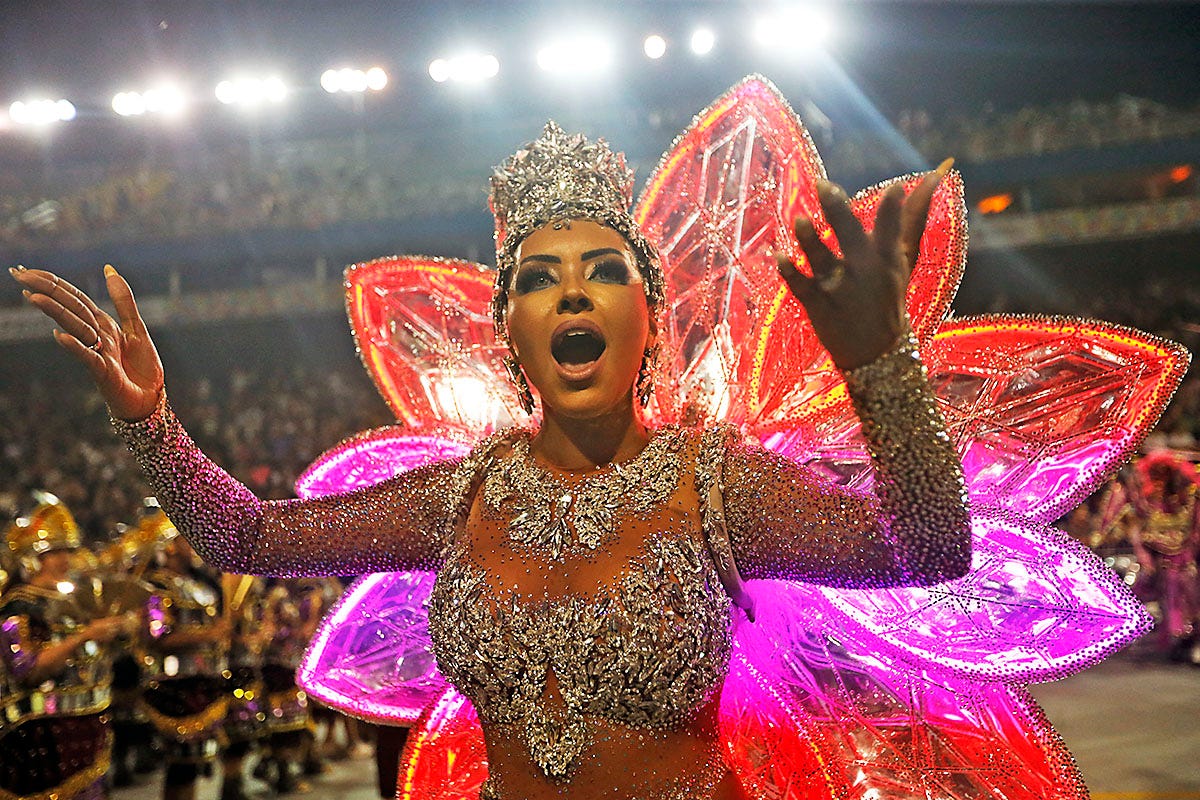
Ja, er is een enorme lichaamscultuur. Uiterlijk wordt vaak ingezet als kapitaal in een harde maatschappij. Wekelijkse bezoeken aan de manicure en de kapster zijn geen luxe, maar een prioriteit. Maar verwar die uiterlijke verzorging niet met onderdanigheid. De Braziliaanse vrouw is vaak de spil van de familie — een matriarch die met ijzeren hand regeert over het huishouden en de opvoeding. De familie komt op de eerste, tweede en derde plaats.
Wie als buitenlander een relatie begint, moet rekening houden met een enorme emotionele intensiteit. Jaloezie is hier geen taboe, maar een teken van betrokkenheid. De Braziliaanse vrouw is bezitterig; ze beschermt haar domein tegen de buitenwereld en tegen de “zwakte van het vlees” die zij bij de man vaak als een gegeven beschouwt.
De Braziliaanse man: Charme, passie en de “Eu te amo”
De Braziliaanse man is de kampioen van de eerste indruk. Hij is verbaal zeer sterk, gul met complimenten en fysiek aanwezig. Voor een nuchtere Europeaan klinkt een uitspraak als “Ik wil met je rond de wereld zeilen” na twee uur praten als een belofte. In Brazilië is het vaak niet meer dan een momentopname van de passie van dat moment.
Het cliché van de gepassioneerde minnaar maskeert vaak een gebrek aan echte emotionele onafhankelijkheid. Veel mannen blijven tot ver na hun dertigste bij hun ouders wonen, wat zorgt voor een hechte, maar soms verstikkende band met de moeder (de beruchte sogra). In een relatie kan de man zeer jaloers zijn — hij vindt het vaak onbegrijpelijk dat een vrouw alleen op stap gaat — terwijl hij voor zichzelf vaak een grotere vrijheid opeist.
De realiteit van het koppel
In Brazilië ben je als koppel een eenheid. Man en vrouw gaan samen uit, of ze gaan niet. Het idee dat de man gaat voetballen en de vrouw daarna alleen met vriendinnen op stap gaat tot diep in de nacht, is in veel kringen nog steeds ondenkbaar en een recept voor een knallende ruzie.
De les voor de gringo: De seksuele aantrekkingskracht is er, maar ze komt met een gebruiksaanwijzing van sociale regels, diepe familieloyaliteit en emotionele claims. Wie de Braziliaanse vrouw of man enkel als een “exotisch avontuurtje” ziet, onderschat de kracht en de complexiteit van de mens achter de mythe.
Wat is er veranderd in 10 jaar?
Digitale jaloersheid: Tien jaar geleden was Facebook de boosdoener; nu is het Instagram en WhatsApp. Het is heel normaal dat koppels elkaars telefoon controleren of elkaars wachtwoorden eisen. De controle is digitaal geworden.
Onafhankelijkheid: Hoewel de familie heilig blijft, groeit er een klasse van financieel onafhankelijke vrouwen die minder pikken van de traditionele “macho” cultuur.
De ‘Sogra’ (schoonmoeder): Die is nog steeds even invloedrijk, maar woont nu vaker in bij het gezin vanwege de stijgende vastgoedprijzen, wat de dynamiek in huis (zeker met een buitenlandse partner) nog complexer maakt.
De schaduwzijde van de esthetiek: Het beeld van de perfecte, gebronsde lichamen moet enigszins gerelativeerd worden. Hoewel de fitnesscultus in de steden en aan de stranden alomtegenwoordig is, wordt Brazilië geconfronteerd met een veel minder fotogenieke realiteit: een exploderend cijfer voor overgewicht en obesitas. De agressieve opmars van de fastfoodcultuur en ultra-bewerkte voeding heeft diepe sporen nagelaten. Voor veel Brazilianen is de strijd tegen de kilo’s de dagelijkse realiteit, ver weg van de strakke buiken op de covers van de tijdschriften. Het “tropische paradijs” kampt met een zeer westers welvaartsziekte-probleem.
De vrouw als werkelijke spil
Brazilië wordt vaak afgeschilderd als een bolwerk van machismo. Op het eerste gezicht klopt dat: mannen voeren het woord, eisen de publieke ruimte op en vertonen vaak een haantjesgedrag dat we in Europa als gedateerd beschouwen. Maar wie de drempel van de Braziliaanse woning overstapt, ziet een totaal andere werkelijkheid.
Brazilië is in essentie een matriarchale maatschappij. De vrouw is niet alleen de spil van het gezin, ze is de motor van de hele sociale structuur. Terwijl de man vaak als een “passant” of een “groot kind” wordt beschouwd — charmant maar onbetrouwbaar — is de vrouw de rots. Zij beheert de financiën, regelt de opvoeding en houdt de complexe familiebanden strak in de hand.
De heilige moeder en de onvermijdelijke ‘Sogra’
De moederfiguur is in Brazilië heilig. Dat heeft diepe katholieke wortels, maar ook een praktische kant: door de vele alleenstaande moeders en de traditie van mannen die “zwak van vlees” zijn, is de moeder vaak de enige constante factor in een kinderleven.
Dit heeft grote gevolgen voor de niet-Braziliaan die hier een relatie aangaat:
De loyaliteit: De band tussen een kind (ook een volwassen man van 40) en de moeder is vrijwel onbreekbaar. Bij een conflict zal de familie bijna altijd de zijde van de moeder of de dochter kiezen.
De schoonmoeder (sogra): De invloed van de schoonmoeder op het huishouden van haar kinderen is enorm. Ze moeit zich met de opvoeding, de keuken en de dagelijkse gang van zaken. In Brazilië trouw je niet met een vrouw, je trouwt met haar hele familie-ecosysteem, met de sogra als onofficiële CEO.
De huishoudelijke hiërarchie
Een ander misverstand is dat vrouwen uit de midden- en hogere klasse de hele dag “vrouwelijk zitten te wezen”. Hoewel ze vaak niet weten hoe ze een lamp moeten vervangen of een lekke band moeten repareren — handenarbeid wordt nog steeds als iets voor de “lagere klasse” beschouwd — managen ze een heel leger aan personeel. De huismeid (empregada), de oppas (babá) en de tuinman worden aangestuurd met een efficiëntie waar een Europese manager nog wat van kan leren.
Wie dit matriarchaat negeert of probeert te doorbreken met een autoritaire Europese houding, zal merken dat hij heel snel buiten de familie-eenheid komt te staan. In Brazilië is de vrouw de baas, ook al laat ze haar man in het openbaar graag geloven dat hij het is.
De bananenrepubliek voorbij: De onverwachte technologische voorsprong van Brazilië.
Het is een van de meest hardnekkige misverstanden: het idee dat Brazilië een technologisch achtergebleven land is waar alles nog met pen en papier gaat. Wie met dat beeld uit het vliegtuig stapt, krijgt binnen het uur een digitale reality check.
Dat dit land allesbehalve een technologische achterhoedespeler is, blijkt wel uit de cijfers: met ruim 260 miljoen actieve toestellen zijn er in Brazilië inmiddels meer smartphones dan inwoners. Deze enorme dichtheid heeft de smartphone tot het onbetwiste centrale zenuwstelsel van de samenleving gemaakt. De grootste schok voor de nieuwkomer is dan ook de financiële digitalisering. Sinds de invoering van PIX — het nationale systeem voor directe betalingen — is contant geld in veel steden bijna een relict uit het verleden geworden. Je betaalt je kokosnoot bij een karretje op het strand, je parkeergeld aan een zwerver met een QR-code om zijn nek, of je belasting aan de overheid met één scan op je smartphone. Het is gratis, onmiddellijk en 24/7 beschikbaar. Veel Europese banken kunnen hier alleen maar van dromen.
Een digitale overheid en de “mobile-only” paradox
Brazilië heeft een van de meest geavanceerde systemen voor internetbankieren ter wereld, een gevolg van de noodzaak om tijdens de jaren van hyperinflatie razendsnel te kunnen schakelen. Ook de bureaucratie is grotendeels gedigitaliseerd. De Gov.br app centraliseert alles: van je identiteitskaart en rijbewijs tot je belastingaangifte. Alles is gekoppeld aan je CPF (het burgerservicenummer). Zonder CPF besta je niet, maar mét CPF heb je toegang tot een digitale efficiëntie waar menig Europees gemeentehuis bij verbleekt.
Toch heeft deze razendsnelle adoptie een keerzijde. Omdat velen de stap naar de klassieke computer volledig hebben overgeslagen, ontbreekt het vaak aan de digitale vaardigheden voor complexere softwaretoepassingen (zoals Excel of tekstverwerking) die zich op een klein scherm niet laten beheersen. Er is een generatie ontstaan die meesterlijk is in het typen met twee duimen, vaak in een eigen digitale taal die grof afwijkt van het correcte Portugees.
De keerzijde: De digitale kloof en de supermarkt-tunnel
Natuurlijk is er een schaduwzijde. Deze technologische voorsprong vergroot de kloof tussen degenen die conectado (verbonden) zijn en degenen die dat niet zijn. In rurale gebieden is de wirwar aan de elektriciteitspaal nog steeds de realiteit, maar zelfs in de armste favela is de smartphone het belangrijkste bezit. Men is er misschien arm aan bezittingen, maar men is rijk aan data.
Deze totale absorptie door het kleine scherm heeft ook het publieke leven veranderd. Je kunt tegenwoordig nauwelijks nog rustig winkelen in een supermarkt zonder dat de gangen versperd worden door iemand die, gebogen over zijn karretje, verbonden is met het internet maar compleet losgekoppeld van de werkelijkheid, driftig staat te typen op zijn celular. Het is een bevreemdend beeld: mensen die zo diep in een digitale boodschap verzonken zijn, dat ze het verkeer in de echte wereld om hen heen stomweg blokkeren.
De les voor de niet-Braziliaan: Kom niet aan met het idee dat je de Brazilianen wel even zult leren hoe ze een computer moeten gebruiken. De kans is groot dat de ober die je bedient sneller is met zijn digitale tools dan jij. Brazilië is geen bananenrepubliek; het is een digitaal laboratorium dat de rest van de wereld vaak een stap voor is, al is men daarbij ook een beetje de gevangene geworden van het eigen scherm.
Veiligheid en armoede: Het grote verschil tussen het sensationele nieuws en de dagelijkse realiteit.
Wie de internationale media volgt, krijgt het beeld van een land in een constante staat van burgeroorlog. De focus ligt altijd op de uitersten: de gewelddadige overvallen in de favela’s van Rio of de drugsoorlogen in de grenssteden.
De realiteit is echter veel diffuser. Ja, Brazilië heeft een veiligheidsprobleem, maar het is situationeel en geografisch. Veiligheid in Brazilië is een kwestie van codes begrijpen (zie de pagina ‘Codes’). Het gaat om weten waar je wel en niet kunt zijn, en op welk tijdstip. De meeste Brazilianen leiden een heel gewoon leven, gaan naar hun werk en bezoeken het park zonder ooit met direct geweld geconfronteerd te worden.
Daarnaast is er het misverstand over armoede. De gringo ziet vaak alleen de ‘romantische’ armoede van de favela of de bittere noodzaak op straat. Men vergeet de enorme, werkende middenklasse die de ruggengraat van het land vormt. Brazilië is geen land van (enkel) ‘bedelaars en miljonairs’; het is een complexe maatschappij met een gigantische groep mensen die keihard werkt om hun status te behouden.
Het klimaat-misverstand: Waarom het tropisch paradijs in het zuiden ijskoud kan zijn.
Het beeld van de “eeuwige zomer” is een van de meest misleidende clichés over Brazilië. Voor de gemiddelde buitenlander is het land synoniem aan een tropisch paradijs waar de zon altijd schijnt en de temperatuur nooit onder de 25 graden zakt. Hoewel dat voor het noorden en noordoosten grotendeels klopt, is de realiteit in het zuiden en op de hoogvlaktes totaal anders.
Brazilië is een continent. Wanneer het in het noorden snikheet is, kan het in de staten Paraná, Santa Catarina en Rio Grande do Sul vriezen. In steden als Curitiba of Gramado is sneeuw geen zeldzaamheid en daalt het kwik in de wintermaanden (juni tot augustus) regelmatig tot rond het vriespunt.
De verraderlijke koude
Wat dit misverstand extra pijnlijk maakt voor de gringo, is de aard van de kou. In Europa zijn we gewend aan centrale verwarming en dubbel glas; in Brazilië is de infrastructuur daar simpelweg niet op gebouwd. De huizen zijn ontworpen om warmte af te voeren, niet om ze vast te houden. Een temperatuur van 10 graden binnenshuis voelt in Brazilië vaak kouder aan dan het vriespunt in de Ardennen of de Alpen.
Wie in de winter naar het zuiden reist zonder een degelijke trui en goede sokken, ontdekt snel dat het “tropisch paradijs” een heel scherp randje kan hebben. Het klimaat in Brazilië is niet universeel; het is een lappendeken van extremen, van de verzengende hitte in de Sertão tot de ijzige winden in de zuidelijke pampa’s.
De Jungle-illusie: Waarom de meeste Brazilianen nog nooit een regenwoud hebben gezien.
Wanneer een buitenlander aan Brazilië denkt, ziet hij vaak een muur van groen. Het cliché wil dat de jungle letterlijk in de achtertuin van elke Braziliaan begint en dat exotische dieren zoals apen en jaguars deel uitmaken van het dagelijkse straatbeeld. De werkelijkheid is dat Brazilië een van de meest verstedelijkte landen ter wereld is.
De overgrote meerderheid van de Brazilianen woont in gigantische betonwoestijnen zoals São Paulo, Rio de Janeiro of Belo Horizonte. Deze steden liggen in het gebied van de Mata Atlântica (het Atlantisch Regenwoud). Voor de meerderheid van de Brazilianen is het Amazoneregenwoud net zo ver weg en exotisch als voor een inwoner van Brussel of Amsterdam. Sterker nog: een vlucht van São Paulo naar Manaus duurt langer dan een vlucht van Brussel naar Moskou. De gemiddelde Braziliaan kent de jungle enkel van de prachtige natuurdocumentaires op Rede Globo of uit de schoolboeken.
Een land van steden, niet van lianen
Het idee dat men “in de natuur” leeft, is voor de meeste inwoners een illusie. De kuststrook, waar de meeste mensen wonen, is al decennia (en soms eeuwen) geleden ontgonnen. Wat daar overblijft is het Atlantische regenwoud (Mata Atlântica), maar ook dat is in de meeste gevallen gereduceerd tot versnipperde parken tussen de wolkenkrabbers, ofwel bepaalde (al dan niet beschermde) gebieden tussen de grote steden. Oorspronkelijk bedekte dit woud maar liefst 1,3 miljoen vierkante kilometer, oftewel 15% van het totale Braziliaanse grondgebied. Het was een gigantische groene gordel langs de kust, maar daar is vandaag de dag een schokkende 88% van verdwenen. Van die oorspronkelijke rijkdom rest nu nog slechts een schamele 12%, vaak versnipperd in kleine groene eilandjes tussen de wolkenkrabbers en snelwegen.
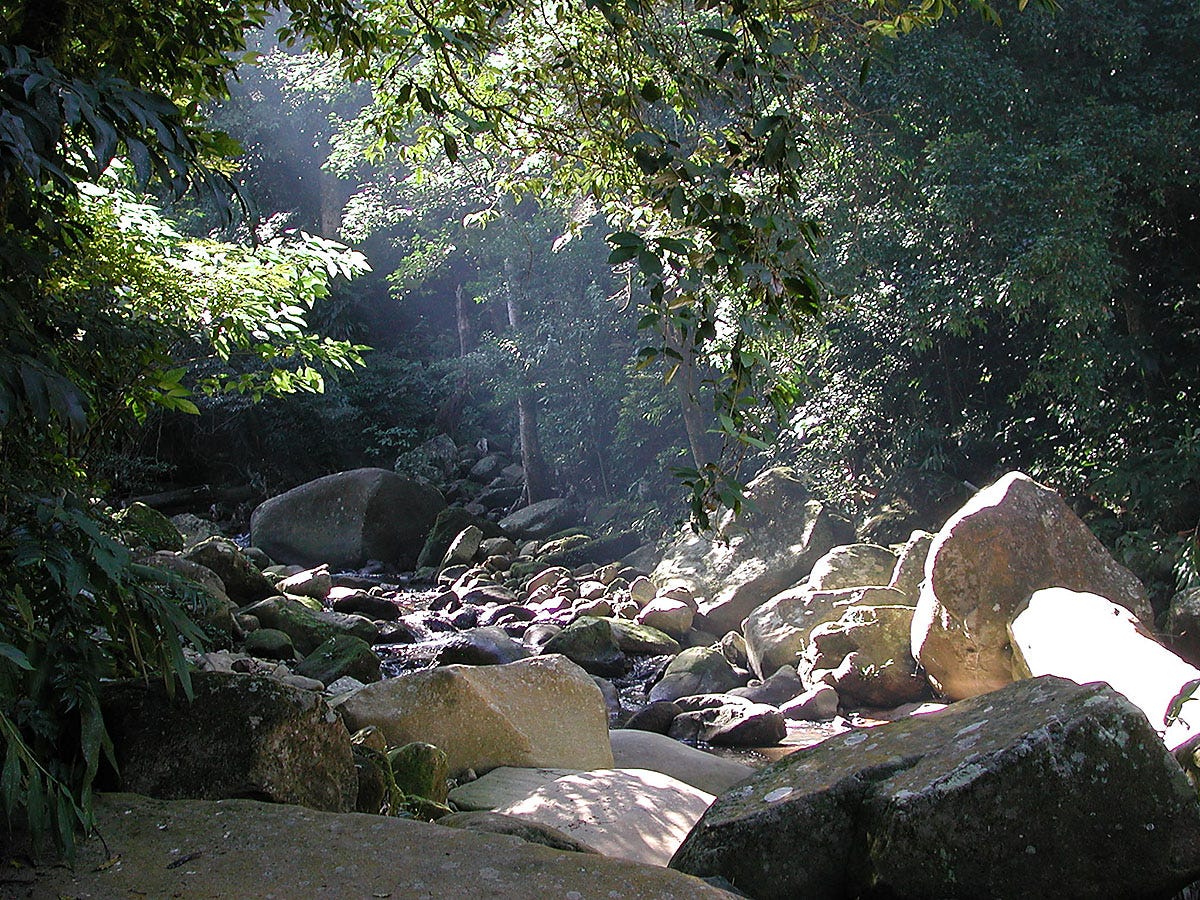
De aapjes en slangen die op de toeristische ansichtkaarten staan, kom je in de stad enkel tegen in de dierentuin of, als je geluk hebt, in een beboste buitenwijk. Brazilië is een land van files, shoppingcentra en appartementencomplexen. Wie aankomt met een expeditie-outfit en een kapmes in de hoop de jungle te verkennen, zal in de meeste deelstaten niet verder komen dan het gazon van zijn hotel.
De ‘goedkope’ gringo-blik: Waarom Brazilië voor de bewoner allesbehalve spotgoedkoop is.
Buitenlanders die met euro’s of dollars in hun zak landen, wanen zich in het begin vaak in een luilekkerland. Een koud biertje op het strand voor een paar euro, een uitgebreide lunch voor een fractie van de prijs in Europa; het voelt allemaal erg voordelig. Maar dit is de grootste optische illusie van het Braziliaanse leven.
Voor de “nativo”, de gemiddelde Braziliaan die zijn loon in Reais verdient, is het leven allesbehalve goedkoop. Sterker nog, Brazilië is op veel vlakken een peperduur land. We noemen dit de Custo Brasil (de ‘Brazilië-kost’): een verstikkende cocktail van hoge belastingen, een complexe bureaucratie, gebrekkige infrastructuur en hoge rentes die de prijzen van alles — van een eenvoudige auto tot een smartphone of de huur — kunstmatig hoog houdt.
De gringo-paradox
Wat voor de toerist een koopje is, is voor de lokale bevolking een luxe. Terwijl jij geniet van die goedkope caipirinha, worstelt de Braziliaanse middenklasse met prijzen voor elektronica, kleding en importproducten die vaak twee tot drie keer hoger liggen dan in de Verenigde Staten of Europa. In Brazilië betaal je vaak de hoofdprijs voor een kwaliteit die we elders als ‘basis’ zouden beschouwen.
Wie hier niet alleen komt om te consumeren maar om te leven of te ondernemen, ontdekt snel dat de euro-blik een gevaarlijke raadgever is. De lokale economie is hard en de koopkracht staat voortdurend onder druk.
Lees hier meer over de koopkracht in Brazilië:

Religie en folklore: De spirituele smeltkroes
Het is een klassiek cijfer in de statistieken: Brazilië is het grootste katholieke land ter wereld. Wie daaruit concludeert dat de Braziliaanse spiritualiteit zich beperkt tot de zondagsmis en de paus, slaat de plank volledig mis. In Brazilië is religie geen statisch instituut, maar een levendig, vloeibaar en soms explosief onderdeel van het dagelijkse leven.
De opkomst van het evangelische geloof
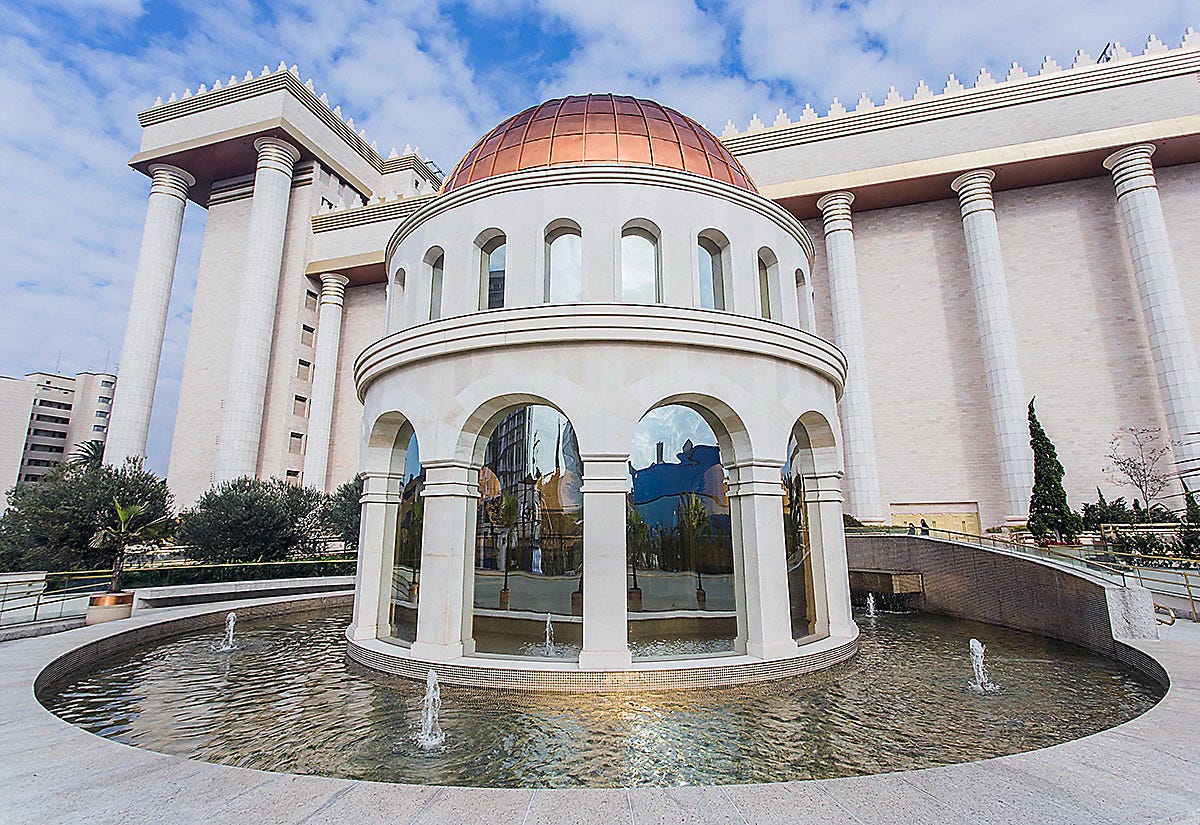
De afgelopen decennia is het religieuze landschap drastisch veranderd. De traditionele katholieke kerk verliest terrein aan de razendsnel groeiende evangelische kerken (Igrejas Evangélicas). In elke achterbuurt, van de kleinste dorpen tot de grootste favela’s, vind je gebouwen — soms niet meer dan een garage met plastic stoeltjes — waar met enorme passie en overgave (luid) wordt gepredikt. Deze kerken zijn niet alleen spirituele centra, maar ook krachtige politieke en sociale netwerken die een enorme stempel drukken op de Braziliaanse moraal en politiek.
Het magisch realisme van de Afro-religies
Wat Brazilië echter uniek maakt, is het syncretisme: de vermenging van het christendom met Afro-Braziliaanse tradities zoals Candomblé en Umbanda. Het is de normaalste zaak van de wereld dat een Braziliaan die zichzelf katholiek noemt, op oudejaarsavond witte kleren aantrekt en bloemen in de zee gooit voor Iemanjá, de godin van de wateren.
Voor de buitenlander lijkt dit vaak op folklore of bijgeloof, maar voor de Braziliaan is de spirituele wereld tastbaar aanwezig. Men zoekt hulp bij heiligen, maar net zo goed bij orixás of spirituele gidsen. Het is een magisch realisme dat diep in de haarvaten van de samenleving zit.
De les voor de niet-Braziliaan: Lach nooit om de uitingen van dit geloof, hoe vreemd ze je ook voorkomen. Of het nu een luidruchtige evangelische dienst is of een altaartje op een straathoek met een kaars en een fles cachaça; toon respect. In Brazilië is de lijn tussen het aardse en het spirituele flinterdun. Wie dat niet begrijpt, zal de drijfveren van de bevolking nooit volledig doorgronden.
De 'voodoo-valstrik': Zie je op een straathoek een bord met wat voedsel, kaarsen of cachaça? Geloof niet het cliché dat dit een 'vloek' is voor een rivaal; in de meeste gevallen is het een offer (oferenda) om bescherming te vragen of spirituele wegen te openen. Raak het niet aan, maar zie het als het tastbare bewijs van de magisch-realistische ziel van Brazilië.
De valstrik van de eenvoud: Waarom Brazilië nooit 'even snel' te begrijpen valt
De grootste fout die een buitenlander kan maken, is de gedachte dat Brazilië “eenvoudig” is. Omdat we de mensen vrolijk zien dansen, omdat ze hartelijk zijn in de omgang en omdat de zon vaak schijnt, denken we dat we de code gekraakt hebben. We projecteren onze eigen logica op een land dat volgens totaal andere wetten functioneert.
Brazilië is geen land; het is een spiegelpaleis. Zodra je denkt dat je de werkelijkheid te pakken hebt, verandert het perspectief. Het is een land van diepe paradoxen: hypermodern én archaïsch, gastvrij én bureaucratisch, religieus én liberaal. Tom Jobim, de grote componist van de Bossa Nova, zei het al treffend: “Brazil is not for beginners.”
De noodzaak van de lange adem
Wie hier komt met een snelle Europese oplossing voor een lokaal probleem, zal bijna altijd falen. De misverstanden die we op deze pagina hebben ontleed, zijn slechts de buitenste schillen van een ui. Echte kennis van Brazilië komt niet uit een boek of een snelle zakenreis; het komt voort uit observatie, geduld en vooral het durven loslaten van je eigen gelijk.
De “valstrik van de eenvoud” is te denken dat je het land na een paar maanden of zelfs jaren wel begrijpt. In werkelijkheid is Brazilië een levenslange studie. Maar het is een studie die je beloont met een rijkdom aan ervaringen, kleuren en menselijke warmte die je nergens anders ter wereld zult vinden.
Een goede raad: Gebruik deze pagina als je kompas. Telkens wanneer je denkt: “Waarom doen ze dit zo?” of “Dat is toch onlogisch?”, kom dan even terug naar deze lijst met misverstanden. De kans is groot dat je naar een cliché kijkt in plaats van naar de realiteit.
Ten years ago, in my book Brazilian Horizons, I already wrote that certain misconceptions needed to be cleared up. Today, in a world that has become even faster and more digital, those clichés seem only more persistent. People confuse cheerfulness with laziness, or a complex bureaucracy with a lack of technology. This page is meant as a guide for anyone who wants to look beyond the postcard image. We peel back the layers of the Brazilian onion, cliché by cliché, until we reach the core of what truly drives this country.
Below is a series of common misconceptions about Brazil:
The Myth of the “Happy Slacker”
The most persistent cliché is that Brazilians live relaxed lives, are always cheerful, and never take anything seriously. Anyone who tries to do business or start a company with that mindset will inevitably run into trouble. A warm personality or a flexible attitude is often mistaken for a lack of seriousness or work ethic.
Nothing could be further from the truth. Brazil is a nation of survivors. What foreigners call “relaxed” is often a necessary form of improvisation (ginga) to stay afloat in a suffocating bureaucracy and a complex system. While the gringo complains about a delay, the Brazilian is already looking for a creative workaround. The enormous economic engine of cities like São Paulo does not run on laziness, but on a work ethic that would make many Europeans dizzy.
The Gringo Uniform: Football and Samba
No, not all Brazilians love football, and no, samba is not the only music. Football may still be the most popular sport, but the unconditional love has cooled. The era of the romantic street footballer has given way to a billion-dollar industry. Young people today often care more about the status symbols of idols like Neymar than about the game itself. And in many regions, sports like volleyball and motorsport are just as sacred.
As for music: samba is only one color in a vast palette. From sertanejo (country) in the countryside to forró in the Northeast and the refined MPB (Música Popular Brasileira); the list is almost endless. Anyone who thinks everything moves to a samba rhythm ignores 500 years of rich, diverse cultural history.
The Language Barrier and the “Banana Republic”
The question at the top of this page — “Hablas español?” — is the quickest way to offend a Brazilian. Although the languages may look similar, Portuguese is the soul of this country. Anyone who refuses to acknowledge that will always remain an outsider.
Then there’s the stubborn image of a technologically backward “banana republic.” The reality? While people in Europe sometimes still wait days for a bank transfer, Brazilians pay for everything — from a coconut on the beach to their taxes — with an instant PIX payment on their smartphone. Technological adoption in the financial sector and in government is, in many areas, more modern and efficient than what we’re used to in the North.
The “Exotic” Woman and the “Passionate” Man: Sexual Myths
Abroad, Brazil is often reduced to a kind of erotic playground. Every year, images of scantily dressed dancers during Carnival feed the world’s fantasies. But anyone who views Brazilians through that lens steps into a social and emotional minefield.
The Brazilian Woman: Matriarchy in a Sensual Outfit
The cliché claims that every Brazilian woman is a slim, tanned, compliant “exotic type.” The reality is that Brazil has one of the most diverse populations in the world. You’ll find everything: from blonde, blue-eyed women in the South to deep-black beauty in Bahia and Asian influences in São Paulo.
Yes, there is a huge body culture. Appearance is often used as capital in a tough society. Weekly visits to the manicurist and hairdresser are not luxuries but priorities. But don’t confuse that attention to appearance with submissiveness. The Brazilian woman is often the backbone of the family — a matriarch who rules the household and child-rearing with an iron hand. Family comes first, second, and third.
Anyone who starts a relationship as a foreigner must be prepared for enormous emotional intensity. Jealousy is not taboo here; it is a sign of involvement. The Brazilian woman is possessive; she protects her domain from the outside world and from the “weakness of the flesh,” which she often considers an inherent trait of men.
The Brazilian Man: Charm, Passion, and the “Eu te amo”
The Brazilian man is the champion of first impressions. He is verbally skilled, generous with compliments, and physically expressive. For a down-to-earth European, a statement like “I want to sail around the world with you” after two hours of conversation sounds like a promise. In Brazil, it is often nothing more than a snapshot of the passion of that moment.
The cliché of the passionate lover often masks a lack of real emotional independence. Many men live with their parents well into their thirties, creating a close but sometimes suffocating bond with the mother (the infamous sogra). In a relationship, the man can be very jealous — he often finds it incomprehensible that a woman goes out alone — while claiming greater freedom for himself.
The Reality of the Couple
In Brazil, a couple is a unit. Man and woman go out together, or they don’t go out at all. The idea that the man goes to play football and the woman later goes out alone with her friends until the early hours is, in many circles, still unthinkable — and a recipe for a spectacular argument.
The lesson for the gringo: The sexual attraction is real, but it comes with an instruction manual of social rules, deep family loyalty, and emotional expectations. Anyone who sees the Brazilian woman or man merely as an “exotic adventure” underestimates the strength and complexity of the person behind the myth.
What Has Changed in 10 Years?
Digital jealousy: Ten years ago, Facebook was the culprit; now it’s Instagram and WhatsApp. It is perfectly normal for couples to check each other’s phones or demand each other’s passwords. Control has gone digital.
Independence: Although family remains sacred, a class of financially independent women is emerging — women who tolerate far less from the traditional macho culture.
The Sogra (mother-in-law): She is still just as influential, but now more often lives with the couple due to rising housing prices, making the household dynamic (especially with a foreign partner) even more complex.
The Shadow Side of Aesthetics
The image of perfect, bronzed bodies needs some nuance. Although the fitness culture in cities and along the beaches is omnipresent, Brazil faces a far less photogenic reality: exploding rates of overweight and obesity. The aggressive rise of fast-food culture and ultra-processed foods has left deep marks. For many Brazilians, the battle against the kilos is a daily reality, far removed from the flat stomachs on magazine covers. The “tropical paradise” struggles with a very Western problem of lifestyle-related diseases.
The Woman as the True Center of Gravity
Brazil is often portrayed as a stronghold of machismo. At first glance, that seems true: men dominate conversations, claim public space, and display a rooster-like behavior that Europeans often consider outdated. But anyone who steps across the threshold of a Brazilian home sees a completely different reality.
Brazil is, at its core, a matriarchal society. The woman is not only the center of the family — she is the engine of the entire social structure. While the man is often seen as a “passerby” or an “overgrown child” — charming but unreliable — the woman is the rock. She manages the finances, oversees the children’s upbringing, and keeps the complex family network tightly organized.
The Sacred Mother and the Inevitable Sogra
The mother figure in Brazil is sacred. This has deep Catholic roots, but also a practical side: due to the large number of single mothers and the tradition of men being “weak of flesh,” the mother is often the only constant factor in a child’s life.
This has major consequences for the non-Brazilian entering a relationship here:
Loyalty: The bond between a child (including a 40-year-old man) and his mother is virtually unbreakable. In a conflict, the family will almost always side with the mother or the daughter.
The mother-in-law (sogra): Her influence on her children’s household is enormous. She interferes with the upbringing, the kitchen, and the daily routine. In Brazil, you don’t marry a woman — you marry her entire family ecosystem, with the sogra as the unofficial CEO.
The Domestic Hierarchy
Another misconception is that middle- and upper-class women spend their days “being feminine.” Although they often don’t know how to change a lightbulb or fix a flat tire — manual labor is still seen as something for the “lower classes” — they manage an entire army of household staff. The maid (empregada), the nanny (babá), and the gardener are coordinated with an efficiency that many European managers could learn from.
Anyone who ignores this matriarchy or tries to break it with an authoritarian European attitude will quickly find themselves outside the family unit. In Brazil, the woman is the boss — even if she likes to let her husband believe he is in public.
Beyond the Banana Republic: Brazil’s Unexpected Technological Edge
One of the most persistent misconceptions is the idea that Brazil is a technologically backward country where everything is still done with pen and paper. Anyone who steps off the plane with that image gets a digital reality check within the hour.
The numbers speak for themselves: with more than 260 million active devices, Brazil now has more smartphones than inhabitants. This enormous density has turned the smartphone into the undisputed central nervous system of society. The biggest shock for newcomers is the financial digitalization. Since the introduction of PIX — the national instant-payment system — cash has become almost a relic in many cities. You pay for your coconut at a beach cart, your parking fee to a homeless man with a QR code around his neck, or your taxes to the government with a single scan on your phone. It’s free, instant, and available 24/7. Many European banks can only dream of this.
A Digital Government and the “Mobile-Only” Paradox
Brazil has one of the most advanced internet-banking systems in the world, born out of the need to adapt quickly during years of hyperinflation. The bureaucracy is also largely digitized. The Gov.br app centralizes everything: your ID card, your driver’s license, your tax return. Everything is linked to your CPF (the national identification number). Without a CPF you don’t exist, but with one you gain access to a level of digital efficiency that puts many European town halls to shame.
Yet this rapid adoption has a downside. Because many people skipped the traditional computer entirely, they often lack the digital skills needed for more complex software (like Excel or word processing), which simply cannot be mastered on a small screen. A generation has emerged that is brilliant at typing with two thumbs — often in a digital shorthand that deviates sharply from proper Portuguese.
The Downside: The Digital Divide and the Supermarket Tunnel
Of course, there is a shadow side. This technological leap has widened the gap between those who are conectado (connected) and those who are not. In rural areas, the chaotic tangle of wires on the electricity pole is still a daily reality, but even in the poorest favela the smartphone is the most prized possession. People may be poor in material goods, but they are rich in data.
This total absorption into the small screen has also transformed public life. It is now almost impossible to shop peacefully in a supermarket without the aisles being blocked by someone hunched over their cart, connected to the internet but completely disconnected from reality, furiously typing on their celular. It is a surreal sight: people so deeply immersed in a digital message that they simply obstruct the flow of real-world traffic around them.
The lesson for the non-Brazilian: Don’t show up thinking you’re going to teach Brazilians how to use a computer. Chances are the waiter serving you is faster with digital tools than you are. Brazil is not a banana republic; it is a digital laboratory that is often a step ahead of the rest of the world — even if people have also become a bit imprisoned by their own screens.
Safety and Poverty: The Big Gap Between Sensational News and Daily Reality
Anyone who follows international media gets the impression of a country in a constant state of civil war. The focus is always on the extremes: violent robberies in Rio’s favelas or drug wars in border towns.
The reality, however, is far more diffuse. Yes, Brazil has a security problem, but it is situational and geographical. Safety in Brazil is a matter of understanding the codes (see the page “Codes”). It’s about knowing where you can and cannot be, and at what time. Most Brazilians live perfectly ordinary lives, go to work, visit the park, and never encounter direct violence.
There is also a misconception about poverty. The gringo often sees only the “romantic” poverty of the favela or the harsh necessity on the streets. What is forgotten is the enormous working middle class that forms the backbone of the country. Brazil is not a land of “beggars and millionaires”; it is a complex society with a massive group of people who work incredibly hard to maintain their status.
The Climate Misconception: Why the Tropical Paradise Can Be Freezing in the South
The image of “eternal summer” is one of the most misleading clichés about Brazil. For the average foreigner, the country is synonymous with a tropical paradise where the sun always shines and temperatures never drop below 25 degrees. While that is largely true for the North and Northeast, the reality in the South and on the high plateaus is completely different.
Brazil is a continent. When the North is scorching hot, the states of Paraná, Santa Catarina, and Rio Grande do Sul can be freezing. In cities like Curitiba or Gramado, snow is not unusual, and temperatures during the winter months (June to August) regularly drop to around freezing.
The Treacherous Cold
What makes this misconception especially painful for the gringo is the nature of the cold. In Europe, we are used to central heating and double glazing; in Brazil, the infrastructure simply isn’t built for it. Houses are designed to let heat escape, not to retain it. A temperature of 10 degrees indoors in Brazil often feels colder than freezing temperatures in the Ardennes or the Alps.
Anyone traveling to the South in winter without a proper sweater and good socks quickly discovers that the “tropical paradise” can have a very sharp edge. Brazil’s climate is not universal; it is a patchwork of extremes, from the scorching heat of the Sertão to the icy winds of the southern pampas.
The Jungle Illusion: Why Most Brazilians Have Never Seen a Rainforest
When foreigners think of Brazil, they often picture a wall of green. The cliché suggests that the jungle begins in every Brazilian’s backyard and that exotic animals like monkeys and jaguars are part of everyday street life. The reality is that Brazil is one of the most urbanized countries in the world.
The vast majority of Brazilians live in enormous concrete megacities such as São Paulo, Rio de Janeiro, or Belo Horizonte. These cities lie within the region of the Mata Atlântica (the Atlantic Rainforest). For most Brazilians, the Amazon rainforest is as distant and exotic as it is for someone living in Brussels or Amsterdam. In fact, a flight from São Paulo to Manaus takes longer than a flight from Brussels to Moscow. The average Brazilian knows the jungle only from the beautiful nature documentaries on Rede Globo or from school textbooks.
A Country of Cities, Not of Vines
The idea that people “live in nature” is, for most Brazilians, an illusion. The coastal strip — where the majority of the population lives — was cleared decades (and in some places centuries) ago. What remains is the Atlantic Rainforest (Mata Atlântica), but even that has in most cases been reduced to fragmented parks between skyscrapers or to isolated (sometimes protected) pockets of forest between major cities. Originally, this forest covered an astonishing 1.3 million square kilometers — about 15% of Brazil’s total territory. It was a massive green belt along the coast, but today a shocking 88% of it has disappeared. Of that original richness, only a meager 12% remains, often scattered in small green islands between highways and high-rises.
The monkeys and snakes you see on tourist postcards appear in the city only in zoos or, if you’re lucky, in a wooded suburb. Brazil is a country of traffic jams, shopping malls, and apartment blocks. Anyone arriving with expedition gear and a machete, hoping to explore the jungle, will in most states get no further than the lawn of their hotel.
The “Cheap” Gringo Gaze: Why Brazil Is Anything but Cheap for Its Residents
Foreigners arriving with euros or dollars in their pockets often feel, at first, like they’ve landed in paradise. A cold beer on the beach for a few euros, a generous lunch for a fraction of the European price — it all feels like a bargain. But this is the greatest optical illusion of Brazilian life.
For the nativo, the average Brazilian earning a salary in reais, life is anything but cheap. In fact, Brazil is, in many respects, an extremely expensive country. This is what Brazilians call the Custo Brasil (“Brazil cost”): a suffocating cocktail of high taxes, complex bureaucracy, poor infrastructure, and high interest rates that keeps the price of everything — from a simple car to a smartphone or rent — artificially high.
The Gringo Paradox
What feels like a bargain to the tourist is a luxury for the local population. While you enjoy that inexpensive caipirinha, the Brazilian middle class struggles with prices for electronics, clothing, and imported goods that are often two to three times higher than in the United States or Europe. In Brazil, you often pay premium prices for quality that elsewhere would be considered basic.
Anyone who comes here not just to consume but to live or do business quickly discovers that the euro-lens is a dangerous advisor. The local economy is tough, and purchasing power is constantly under pressure.
Religion and Folklore: The Spiritual Melting Pot
It’s a classic statistic: Brazil is the largest Catholic country in the world. Anyone who concludes from that that Brazilian spirituality is limited to Sunday Mass and the Pope misses the point entirely. In Brazil, religion is not a static institution but a living, fluid, and sometimes explosive part of daily life.
The Rise of Evangelical Faith
In recent decades, the religious landscape has changed dramatically. The traditional Catholic Church is losing ground to the rapidly growing evangelical churches (Igrejas Evangélicas). In every neighborhood — from the smallest villages to the largest favelas — you find buildings, sometimes little more than a garage with plastic chairs, where preaching is done with enormous passion and volume. These churches are not only spiritual centers but also powerful political and social networks that leave a deep mark on Brazilian morality and public life.
The Magical Realism of Afro-Brazilian Religions
What makes Brazil truly unique is its syncretism: the blending of Christianity with Afro-Brazilian traditions such as Candomblé and Umbanda. It is perfectly normal for a Brazilian who identifies as Catholic to wear white on New Year’s Eve and throw flowers into the sea for Iemanjá, the goddess of the waters.
For foreigners, this often looks like folklore or superstition, but for Brazilians the spiritual world is tangibly present. People seek help from saints, but just as easily from orixás or spiritual guides. It is a form of magical realism woven deeply into the fabric of society.
The lesson for the non-Brazilian: Never mock these expressions of faith, no matter how strange they may seem. Whether it’s a loud evangelical service or a small street-corner altar with a candle and a bottle of cachaça — show respect. In Brazil, the line between the earthly and the spiritual is paper-thin. Anyone who fails to grasp this will never fully understand what drives the population.
The “Voodoo Trap”
If you see a small arrangement of food, candles, or cachaça on a street corner, don’t fall for the cliché that it’s a “curse” aimed at a rival. In most cases, it is an oferenda — an offering asking for protection or for spiritual paths to open. Don’t touch it; see it instead as tangible evidence of Brazil’s magical-realist soul.
The Trap of Simplicity: Why Brazil Can Never Be Understood “Quickly”
The biggest mistake a foreigner can make is assuming that Brazil is “simple.” Because we see people dancing joyfully, because they are warm in their interactions, and because the sun often shines, we think we’ve cracked the code. We project our own logic onto a country that operates according to entirely different laws.
Brazil is not a country; it is a hall of mirrors. The moment you think you’ve grasped reality, the perspective shifts. It is a land of deep paradoxes: hyper-modern and archaic, welcoming and bureaucratic, religious and liberal. Tom Jobim, the great Bossa Nova composer, put it perfectly: “Brazil is not for beginners.”
The Need for Patience
Anyone who arrives with a quick European solution to a local problem will almost always fail. The misconceptions we’ve dissected on this page are merely the outer layers of an onion. Real knowledge of Brazil does not come from a book or a short business trip; it comes from observation, patience, and above all, the willingness to let go of your own certainties.
The “trap of simplicity” is believing that you understand the country after a few months or even a few years. In reality, Brazil is a lifelong study. But it is a study that rewards you with a richness of experiences, colors, and human warmth that you will not find anywhere else in the world.
A Word of Advice
Use this page as your compass. Whenever you catch yourself thinking, “Why do they do it this way?” or “That makes no sense,” come back to this list of misconceptions. Chances are you’re looking at a cliché rather than at reality.